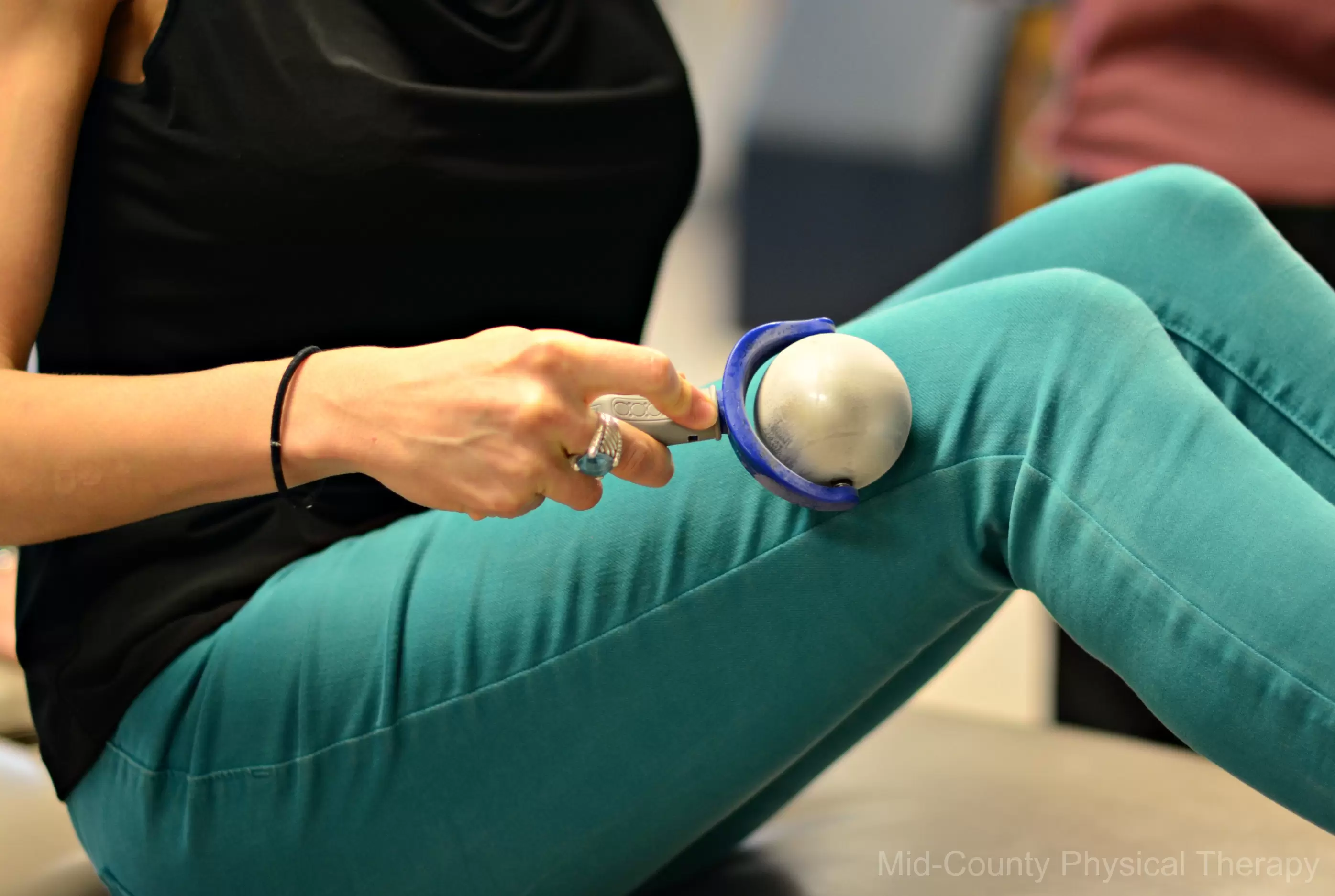
Should You Use Ice Or Heat For Sciatic Pain. learn when to use ice or heat for different types of pain, such as acute injuries, arthritis, headaches, muscle strains and sprains, and tendinitis or. Applying ice packs can help reduce inflammation and numb the area, providing temporary pain relief. you’ll get the most relief from sciatica pain by using ice and heat on your lower back, according to a clinical trial published in the journal. ice can reduce swelling and pressure on the sciatic nerve, while heat can aggravate the inflammation and pain. Learn why alternating ice and heat. Heat, on the other hand, can help relax tense muscles and improve blood circulation. Ice therapy reduces swelling and pain while heat therapy reduces muscle spasms. both heat and ice can be used to relieve sciatic pain, but they serve different purposes and have different theories underpinning their efficacy. ice can help reduce inflammation, while heat encourages blood flow to the painful area (which speeds. how heat and ice therapy work for lower back and sciatica pain relief. Icing this area, rather than your thigh or calf where the pain may be more, will help control when you use ice therapy for sciatica pain, apply the icepack to your lower back and rear pelvis—where the sciatic nerve roots are located.
from midcountypt.com
learn when to use ice or heat for different types of pain, such as acute injuries, arthritis, headaches, muscle strains and sprains, and tendinitis or. Ice therapy reduces swelling and pain while heat therapy reduces muscle spasms. you’ll get the most relief from sciatica pain by using ice and heat on your lower back, according to a clinical trial published in the journal. both heat and ice can be used to relieve sciatic pain, but they serve different purposes and have different theories underpinning their efficacy. Learn why alternating ice and heat. ice can reduce swelling and pressure on the sciatic nerve, while heat can aggravate the inflammation and pain. Heat, on the other hand, can help relax tense muscles and improve blood circulation. ice can help reduce inflammation, while heat encourages blood flow to the painful area (which speeds. when you use ice therapy for sciatica pain, apply the icepack to your lower back and rear pelvis—where the sciatic nerve roots are located. Applying ice packs can help reduce inflammation and numb the area, providing temporary pain relief.
Should You Use Ice or Heat on Your Injury? MidCounty Physical Therapy
Should You Use Ice Or Heat For Sciatic Pain Applying ice packs can help reduce inflammation and numb the area, providing temporary pain relief. how heat and ice therapy work for lower back and sciatica pain relief. Icing this area, rather than your thigh or calf where the pain may be more, will help control Heat, on the other hand, can help relax tense muscles and improve blood circulation. learn when to use ice or heat for different types of pain, such as acute injuries, arthritis, headaches, muscle strains and sprains, and tendinitis or. when you use ice therapy for sciatica pain, apply the icepack to your lower back and rear pelvis—where the sciatic nerve roots are located. Learn why alternating ice and heat. you’ll get the most relief from sciatica pain by using ice and heat on your lower back, according to a clinical trial published in the journal. Applying ice packs can help reduce inflammation and numb the area, providing temporary pain relief. Ice therapy reduces swelling and pain while heat therapy reduces muscle spasms. ice can help reduce inflammation, while heat encourages blood flow to the painful area (which speeds. both heat and ice can be used to relieve sciatic pain, but they serve different purposes and have different theories underpinning their efficacy. ice can reduce swelling and pressure on the sciatic nerve, while heat can aggravate the inflammation and pain.